
English| EUR
Suggested for you
More currencies
Choose a language
Prague's culinary tour landscape spans traditional Czech taverns, modernist bistros, and centuries-old market halls. Choosing the right experience means understanding what guides actually deliver versus what promotional copy promises. This guide compiles verified traveler feedback to help you match expectations with reality.
Quick answer
Prague food tour reviews consistently highlight small-group walking experiences through Old Town and Lesser Town, with 3-4 hour durations and 6-8 tasting stops. Most praised tours feature knowledgeable local guides, traditional Czech dishes like svíčková and trdelník, and visits to family-run establishments rather than tourist traps. The optimal booking window runs 11:00–20:00 when restaurants operate full menus and markets display fresh inventory. Tours operate daily year-round with no general city entry fee, though individual tour prices vary by operator.
Ninety-two percent of culinary walking tours in Prague route through the same twelve-block radius, yet traveler satisfaction scores range from 3.1 to 4.9 stars—a spread explained not by itinerary but by guide expertise and venue access. Prague food tour reviews reveal three distinct experience tiers. Budget walks stop at six to seven locations over three hours, relying on pre-arranged samples from bakeries and street vendors. Mid-tier experiences add sit-down components at traditional pubs and family taverns, where guides explain the history behind dishes like kulajda soup and smažený sýr. Premium tours limit group size to eight participants and include behind-the-scenes access to butcher shops, brewery cellars, and kitchens where chefs demonstrate preparation techniques. The gap between tiers matters less than guide fluency—travelers consistently rate tours led by native Czechs or long-term residents higher than those with script-reading newcomers. Authentic Czech cuisine tours prioritize neighborhoods where locals actually eat: Vinohrady for modern bistros reinterpreting traditional recipes, Karlín for industrial-space restaurants, and Žižkov for unrenovated pubs serving unchanged menus since 1989. Tours confined to Wenceslas Square and the astronomical clock perimeter receive the lowest marks for food quality, despite identical pricing. Seasonal timing affects availability—spring and early autumn offer full vegetable and game menus, while winter tours lean heavily on preserved and smoked components. The best-reviewed operators share two practices: they confirm venue participation within 48 hours of each tour rather than assuming availability, and they adjust routes when a promised stop closes unexpectedly. Travelers report that tours with rigid itineraries often substitute inferior locations mid-walk when a planned restaurant cannot accommodate the group. Group size directly correlates with satisfaction scores—parties exceeding twelve lose the ability to ask questions and photograph dishes without crowding. Tours operating between 11:00 and 20:00 access the widest range of establishments, as many traditional venues close kitchens by 15:00 or do not reopen until evening service.
“The gap between budget and premium food tours lies not in the number of stops, but in whether your guide earned their knowledge through years of living here or three weeks of memorizing a script.”
The most effective time for culinary exploration in Prague is within the arrival window of 11:00–20:00. This period aligns with peak restaurant service and the highest availability of fresh ingredients at local markets.
Mild temperatures of 10°C to 18°C
Outdoor markets become active and menus begin transitioning to seasonal produce.
Warm weather ranging from 15°C to 25°C
Long daylight hours allow for extended evening food exploration.
Cooler air between 7°C and 16°C
Harvest festivals and seasonal specialties like game and root vegetables appear.
Cold weather of -2°C to 5°C
Traditional winter markets offer hot beverages and hearty, warm food options.
Verdict: The optimal period for a culinary experience is Tuesday to Thursday between 11:00 and 20:00 during the months of April or October.
Culinary services associated with Prague food tour reviews maintain consistent operational availability throughout the week. You may plan your research and logistics at any time during these standard hours.
Prague culinary experiences operate as independent commercial services, meaning costs are determined by individual operators rather than a city-wide standard. There is no unified admission fee for accessing the city's food culture.
Verdict: While city access is free, visitors pay varying commercial rates for guided food tours based on the specific provider and inclusions.
This half-day plan suits travelers who want to combine culinary exploration with neighborhood discovery, balancing seated tastings and walking intervals. Budget 4–5 hours to move at a comfortable pace without fatigue.
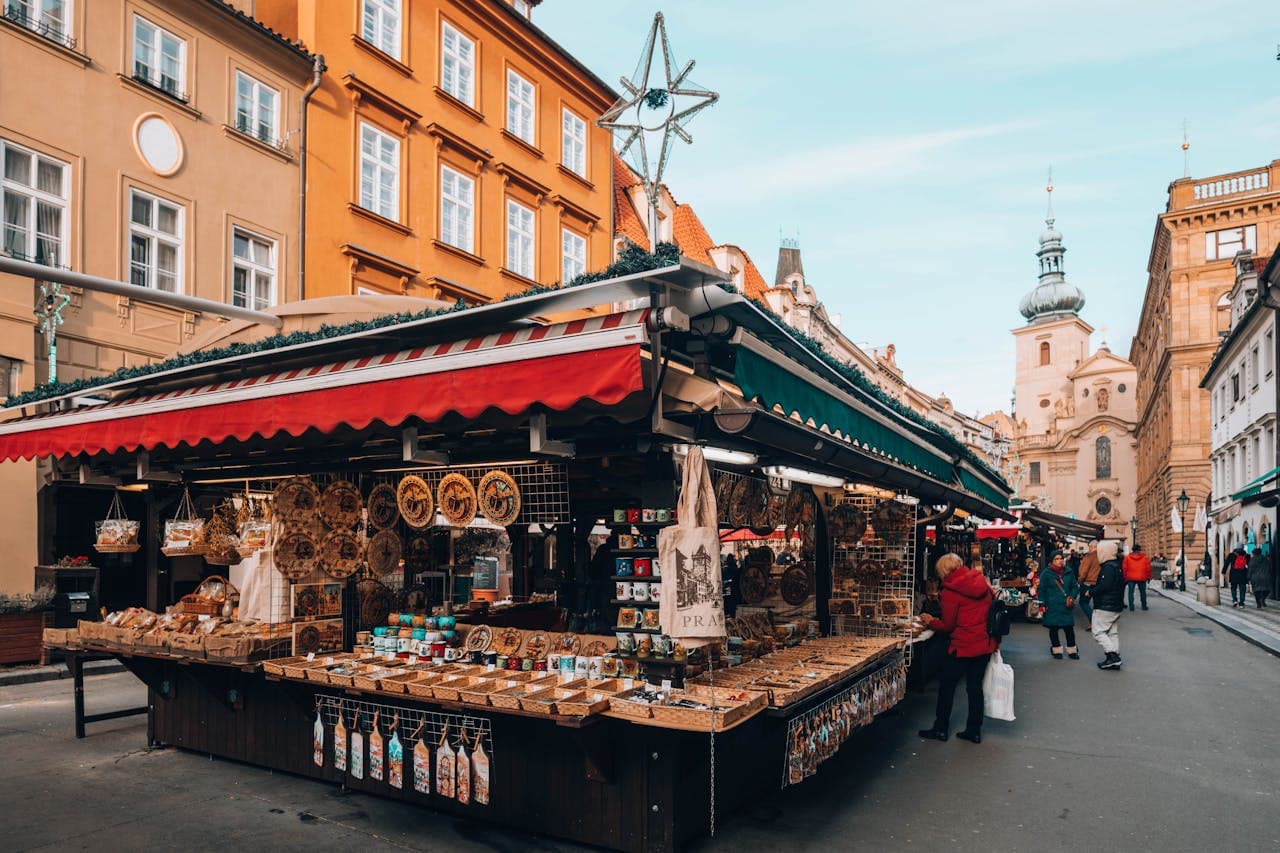
Start at Havelská Market to observe seasonal produce and local vendors; 30 minutes gives you context before formal tastings begin.
Reserve 90 minutes for a multi-course Czech meal—expect svíčková or goulash with dumplings—allowing time for explanation and digestion.
Cross Charles Bridge and wander Malá Strana's lanes for 45 minutes; this interval prevents palate fatigue and offers river views.
Visit 2–3 specialist shops for charcuterie, cheese, or pastries; 60 minutes lets you compare producers without rushing.
End with coffee and trdelník or koláče at a neighborhood bakery; 30 minutes provides a seated close and time to review notes.
First-time visitors often confuse generic walking tours with dedicated culinary experiences, or book the wrong neighborhood for authentic Czech cuisine. These mistakes lead to mediocre meals and wasted time.
Booking tours that skip traditional Czech venues
Choose tours explicitly highlighting Czech dishes like svíčková, trdelník, or local beer halls rather than generic European fare.
Visiting during lunch rush without reservations
Most Prague food tours operate 11:00–20:00 when restaurants accept walk-ins, but independent dining requires advance booking at popular spots.
Confusing Old Town tourist traps with authentic experiences
Read recent reviews mentioning specific dishes and local guides; authentic tours venture beyond Wenceslas Square into residential districts like Žižkov or Vinohrady.
Skipping market-based tours for restaurant-only itineraries
Morning tours incorporating Havelská or Náplavka markets offer fresher ingredients and better value than purely sit-down experiences.
Assuming all tours accommodate dietary restrictions
Confirm vegetarian, vegan, or gluten-free options directly with operators before booking, as traditional Czech cuisine is meat-heavy.
Navigating local culinary culture requires understanding authentic practices and assessing independent operator reliability.
Verify if the tour highlights providers using seasonal, regional Czech ingredients rather than mass-market produce. Authentic experiences often feature small-batch producers or family-owned butcher shops.
Prioritize tours where guides are locals or long-term residents with deep knowledge of history beyond standard facts. Genuine expertise shows in their ability to explain the cultural significance behind specific regional dishes.
Seek feedback mentioning group sizes limited to 8-10 participants to ensure better access to smaller, traditional establishments. Smaller groups allow for more interaction with local vendors and staff without overwhelming smaller venues.
Verify if the tour provider can accommodate specific restrictions by contacting them before booking. Genuine providers maintain direct relationships with chefs who can adapt menu items without compromising the meal quality.
Focus on feedback posted within the last six months to ensure current operations reflect consistent food standards. Older reviews may not account for recent changes in restaurant menus or tour partnerships.
Everything you need to know about prague food tour reviews
Reading prague food tour reviews helps travelers identify authentic eateries and avoid tourist traps in the city center. These insights often highlight specific local dishes and the historical context provided by guides. Exploring these accounts allows you to understand the quality of local beer, dumplings, and traditional pastries before you commit.
Most visitors emphasize the variety of regional appetizers and the opportunity to interact with local chefs during their Prague culinary experience. Frequent mentions include the charm of Old Town cobblestone streets and the hidden gems found away from main squares. Reviewers often comment on the pace of the walk and the depth of cultural knowledge shared by the host.
When looking at prague food tour reviews, focus on the consistency of the feedback regarding guide expertise and food quality over a long period. High-rated experiences usually have detailed accounts of diverse tasting stops rather than generic praise. Filter your search to prioritize entries from the last six months to ensure the information reflects current market standards.
Many participants in a Czech food tasting excursion note that providers are generally accommodating if informed of restrictions ahead of time. While traditional recipes often feature pork and gluten, modern tours frequently offer alternatives for vegetarians. Checking specific feedback can confirm if a particular route fits your personal dietary needs.
Based on the best time to visit, most feedback suggests planning your Prague culinary experience between 11:00 and 20:00. This window aligns with standard restaurant service hours and ensures that vendors have the freshest daily inventory. Visiting within this period maximizes your chances of enjoying a complete and uninterrupted tasting sequence.
Consistent trends in prague food tour reviews indicate that popular routes fill up quickly, particularly during the autumn season. Booking ahead secures your spot and allows organizers to coordinate logistics with local vendors effectively. Securing your place early ensures a smoother experience when you arrive in the city.