Prague Food Tour
Culinary Guide

What Food Is Prague Known for

Prague's culinary identity runs deeper than the beer halls that line its cobbled streets. The city's food scene blends centuries-old Bohemian recipes with Austro-Hungarian influences and a thriving modern street-food culture that draws locals and visitors to open-air markets daily.

8 min read Updated 2026-09-28 Fact-checked
What Food Is Prague Known for

Quick answer

Prague is known for hearty meat-based dishes like svíčková (marinated beef in cream sauce), roasted pork with dumplings and sauerkraut, goulash, and fried cheese. Street vendors sell trdelník, a sweet spiral pastry, while beer halls serve traditional fare alongside Czech lagers. The city has no entrance fees for culinary exploration—you pay only for what you consume at restaurants, markets, and food stalls throughout the day.

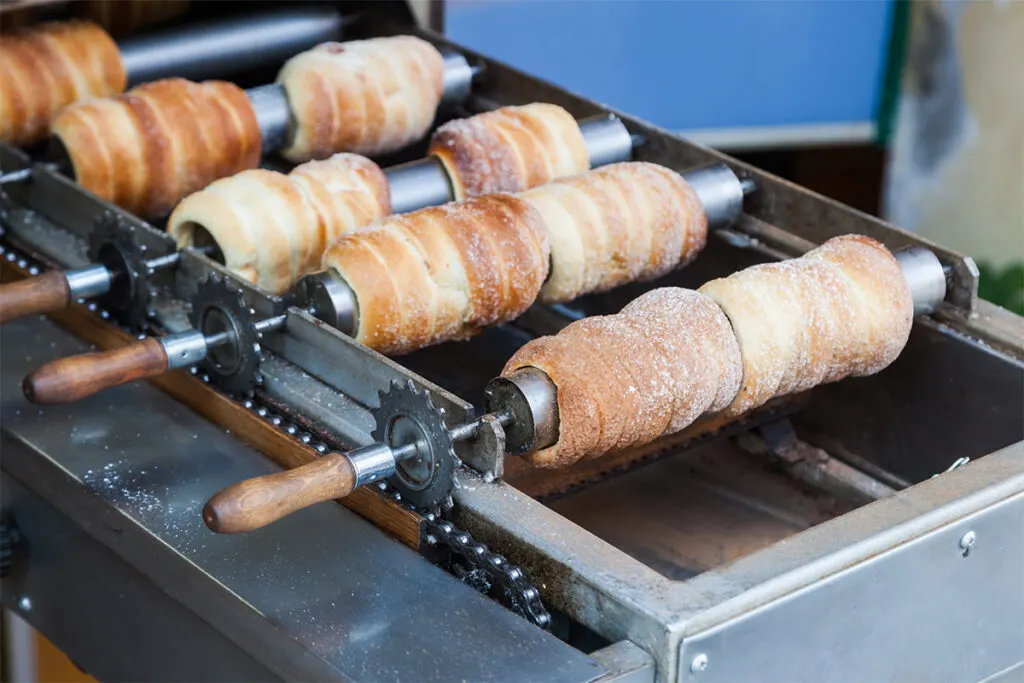
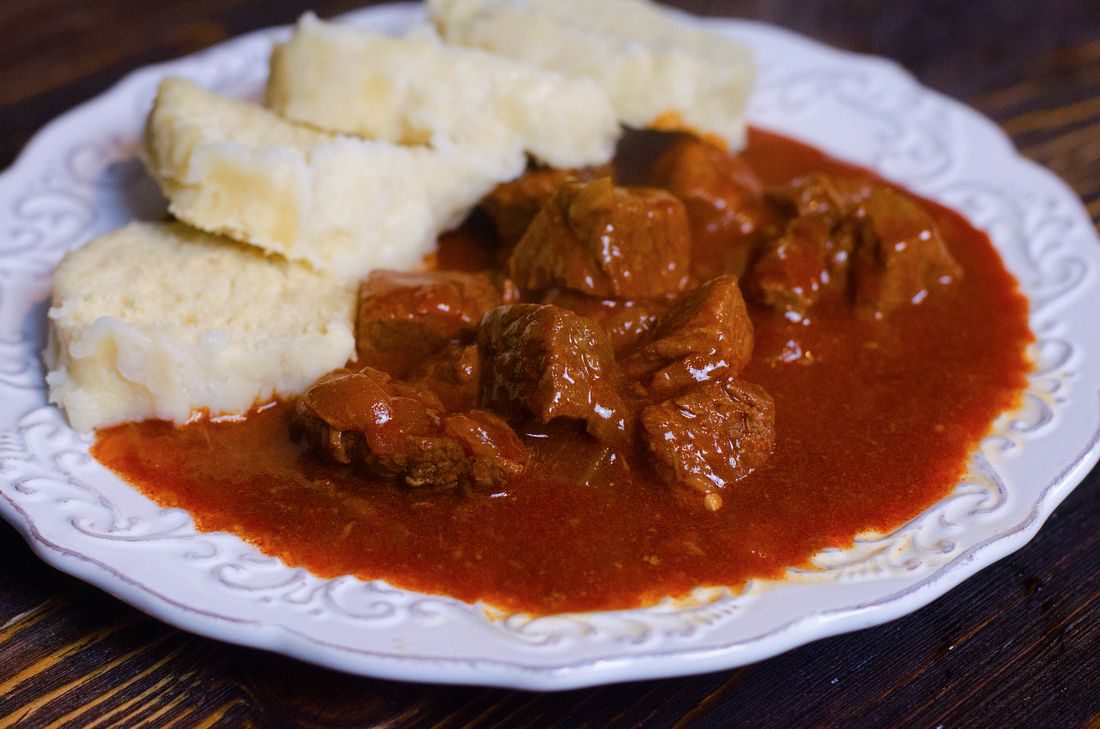
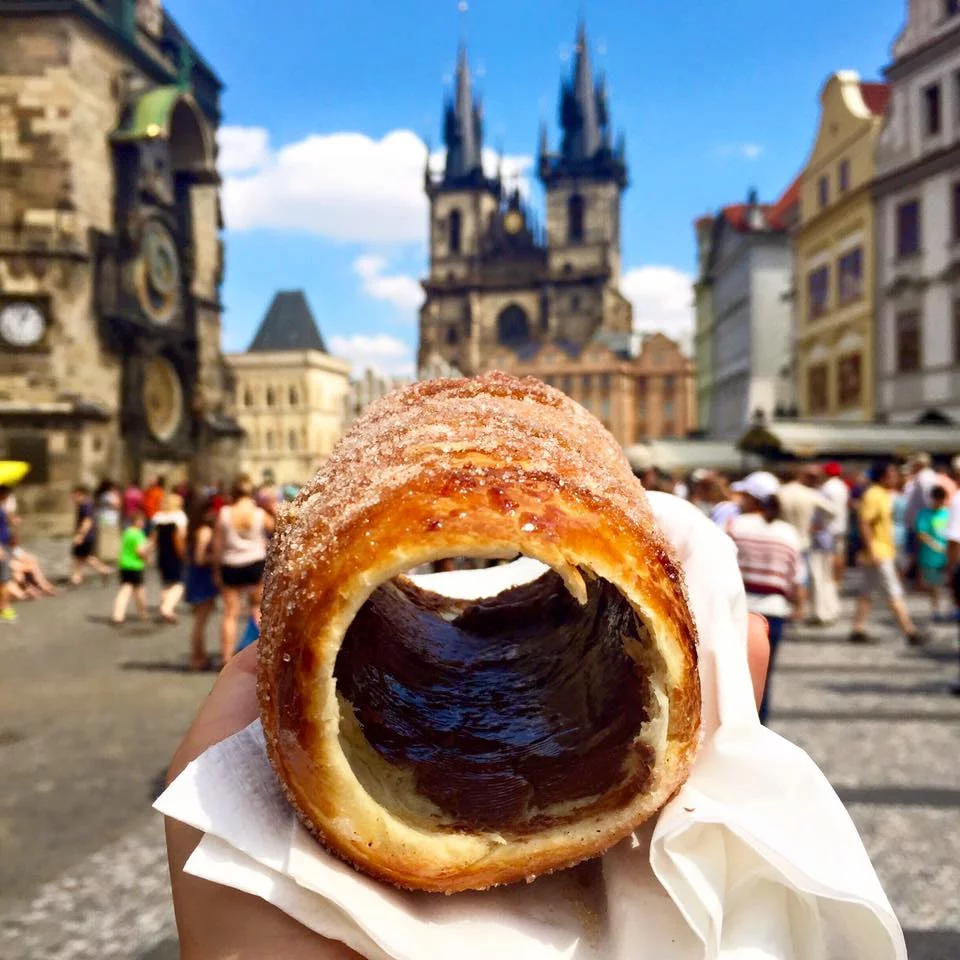
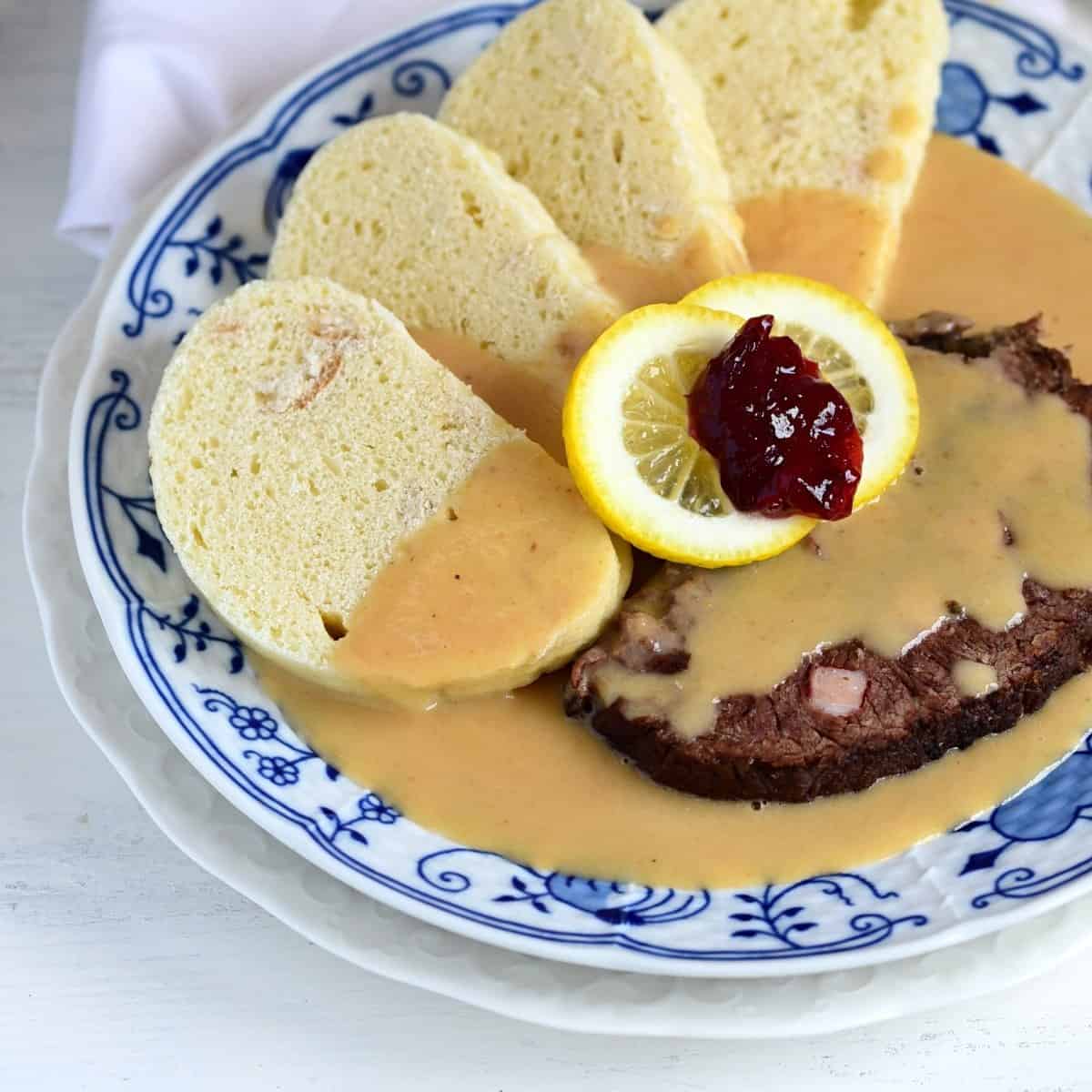
The city that gave the world pilsner lager also built a food culture around sustaining workers through long Central European winters. What food is Prague known for starts with svíčková na smetaně, a dish of marinated beef sirloin braised until tender, then draped in a cream sauce thickened with root vegetables and served with bread dumplings that soak up every drop. It appears on every traditional Czech menu, often alongside knedlíky—dense, sliceable dumplings made from bread or potato that function as both starch and utensil. Pork dominates the protein landscape. Vepřo-knedlo-zelo—roasted pork knee or shoulder with dumplings and sauerkraut—anchors Sunday lunches in Old Town taverns and neighborhood hospodas alike. Goulash here carries Hungarian roots but adopts a Czech identity through its pairing with those same dumplings. Smažený sýr, a thick slab of Edam or Hermelín cheese coated in breadcrumbs and fried until the crust shatters, serves as the go-to vegetarian option, though it rarely appears on health-conscious menus. Street food culture orbits around trdelník, the cinnamon-sugar pastry rolled on a wooden dowel and baked over open flame. Vendors cluster near Charles Bridge and Wenceslas Square, filling evening air with caramelized sugar smoke. Klobása—grilled sausages sold from market stalls—offers a portable alternative, especially at Havelská Market or the riverside farmers' markets that operate year-round. Párek v rohlíku, a hot dog nested in a hollowed roll with mustard, remains the quick lunch of choice for locals moving between errands. Czech cuisine rewards those who seek it between 11:00 and 19:00, when restaurant kitchens overlap with market vendor hours and beer halls begin pouring their first half-liters. The food itself costs less than in most European capitals, but the experience—wooden tables, ceramic mugs, servers who remember regulars—carries the weight of a culinary tradition that survived empires and revolutions without losing its center.

“The city that gave the world pilsner lager also built a food culture around sustaining workers through long Central European winters.”
Timing

The Best Times to Explore What Food Is Prague Known For

The best arrival window for experiencing Prague's culinary landscape is 11:00–19:00, which aligns with peak service for traditional lunch menus and the availability of street snacks. Visiting during these hours ensures you can access the widest variety of fresh offerings throughout the city.

Spring (April–May)

Moderate crowds

Mild, 10–20°C; pleasant for walking.

The Prague Food Festival often occurs in May, featuring local producers. Spring provides comfortable temperatures for outdoor dining.

Summer (June–August)

Heavy tourist traffic

Warm, 18–28°C; sunny days.

High season brings longer queues but extended evening light. Street food stalls remain highly active during these months.

Autumn (September–October)

Lower density

Cool, 8–16°C; crisp air.

Harvest season influences menus with game meats and root vegetables. October often hosts local beer and wine celebrations.

Weekday mornings

Low crowds

—

Early arrivals allow for quieter visits to markets and bakeries before the midday rush. This period is suitable for observing local ingredient sourcing.

Verdict: Tuesday to Thursday, arriving at 11:00, during the months of April or October provides the most balanced experience for culinary exploration.

What to see

Core Specialties: What Food Is Prague Known For?

Prague's culinary identity is defined by hearty, comfort-focused dishes rooted in Central European traditions. These core specialties reflect the historical importance of local ingredients like pork, cabbage, and flour-based doughs.

Svíčková na smetaně

Svíčková na smetaně

This dish features braised beef served with a velvety vegetable-based cream sauce, bread dumplings, and a dollop of cranberry sauce. It is widely considered the quintessential Czech Sunday meal.

Ask for extra sauce to soak your bread dumplings thoroughly.
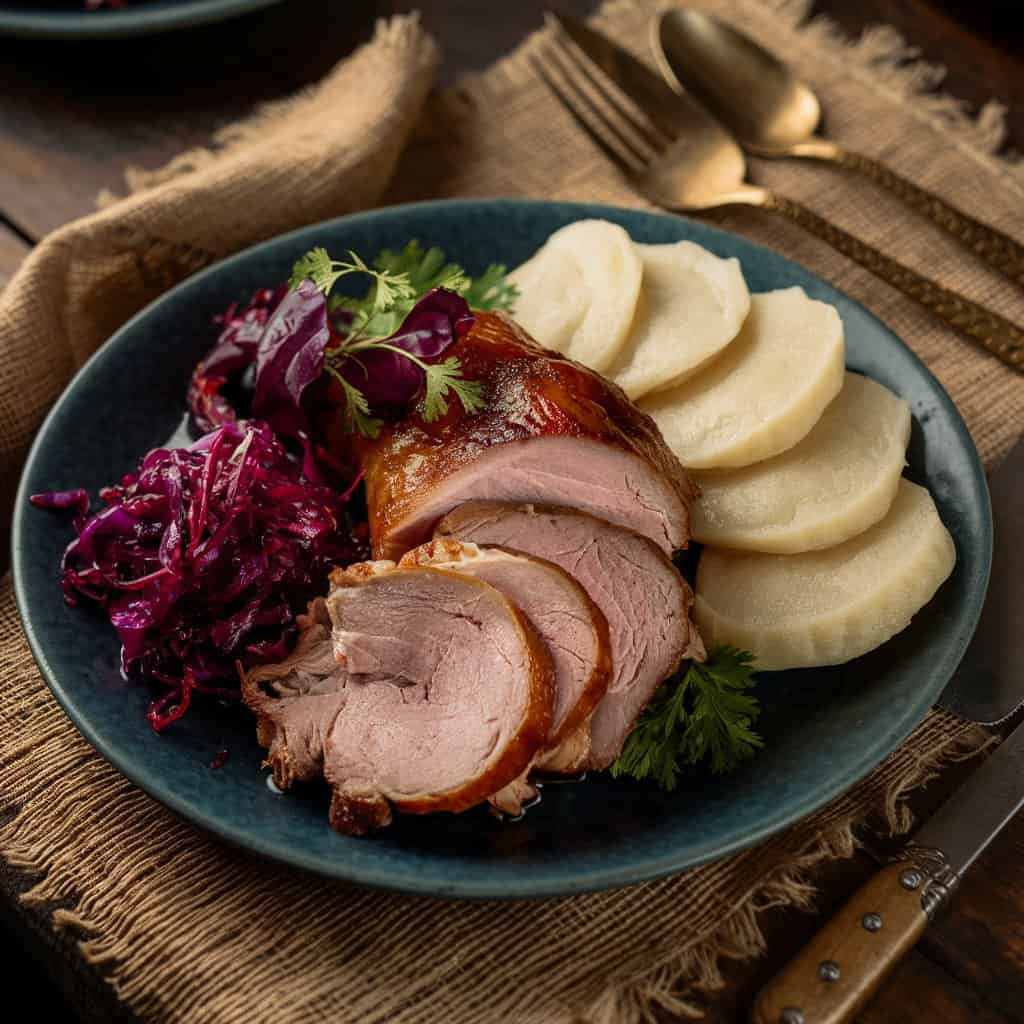
Vepřo-knedlo-zelo

Vepřo-knedlo-zelo

A classic trio consisting of roasted pork, steamed bread dumplings, and braised sauerkraut. It represents the foundation of Bohemian home cooking.

Pair this heavy dish with a local lager for balance.

Trdelník

Trdelník

A popular street food made from rolled dough that is wrapped around a stick, grilled, and topped with sugar and walnut mix. While modernized versions add ice cream, the traditional form focuses on the caramelized exterior.

Eat it while warm from a street vendor stall.

Guláš

Guláš

Influenced by regional culinary history, this thick beef stew is seasoned with onions and paprika. Unlike some thinner versions, Czech guláš is typically served with bread dumplings to absorb the gravy.

Look for versions featuring dark beer in the stew base.

Food & drink

Where to Find What Food Is Prague Known For

Prague offers a variety of dining settings, ranging from historic hospoda pubs serving hearty meals to street kiosks focused on quick snacks. Exploring these different venue types provides a practical way to experience the local culinary landscape.

Lokál

€€

restaurant

These establishments specialize in traditional Czech fare like svíčková and are found throughout the city center.

Havelská Market

€

market

Located in Old Town, this outdoor market features seasonal produce and traditional snacks.

Café Savoy

€€€

café

Situated on the Malá Strana side of the river, this venue is known for its classic pastry selection and morning dining.

Street Stalls (Old Town Square)

€

street

Kiosks in this central area offer quick items like Trdelník to visitors on the move.

Etiquette

Dining Etiquette: What Food Is Prague Known For and How to Order It

Czech dining culture values straightforward service and quiet respect for food. Understanding local tipping norms and reservation practices helps visitors navigate Prague's traditional eateries with confidence.

Do

  • Greet staff with "Dobrý den" when entering
  • Round up bills by 10% or leave small coins for table service
  • Make reservations at popular traditional restaurants, especially evenings
  • Wait to be seated in formal establishments
  • Say "Dobrou chuť" before meals when dining with locals

Don't

  • Expect elaborate table service or frequent check-ins from waitstaff
  • Tip by leaving cash on the table; hand it directly or round the bill
  • Snap fingers or call loudly to get server attention
  • Assume restaurants accept cards; carry Czech koruna for smaller venues
  • Rush through meals; Czech dining follows a relaxed, unhurried pace
Opening hours

Operational Hours for What Food Is Prague Known For

Culinary exploration in Prague operates within a 24/7 city-wide framework, though individual venue availability dictates specific service times. Visitors may access culinary experiences at any hour.

Monday
00:00–23:59
Tuesday
00:00–23:59
Wednesday
00:00–23:59
Thursday
00:00–23:59
Friday
00:00–23:59
Saturday
00:00–23:59
Sunday
00:00–23:59
There is no formal last-entry requirement for city-wide culinary exploration, as access depends on the operating hours of individual establishments.
Book

Check availability

Frequently asked

Frequently Asked Questions: What Food Is Prague Known For

Everything you need to know about what food is prague known for

What food is prague known for?

Prague is famous for hearty comfort foods like svíčková, goulash, and sweet pastries such as Trdelník. Visitors often explore the city culinary scene to discover these rich flavors that define the local palate. Understanding what food is prague known for helps travelers prioritize their dining stops. Exploring these local eateries provides deep insight into the regional heritage.

Are there entrance fees for a Prague culinary experience?

There is no entrance fee for city culinary experiences; you only pay for the food consumed. This structure allows visitors to curate their own tasting journey through the streets of Prague. You do not need tickets to access these food-focused paths. It is a flexible way to explore what food is prague known for at your own pace.

What is the best arrival window to enjoy local dishes?

The best arrival window is 11:00–19:00, which is the optimal time to sample street foods like Trdelník and traditional lunch dishes. Arriving within this timeframe ensures most vendors are active and serving fresh items. Planning your visit during these hours allows you to experience the variety of flavors that make up a classic Prague food adventure. This schedule is ideal for those wondering what food is prague known for while navigating the city.

What are some traditional Czech delicacies I should try?

Beyond main courses, the city is renowned for roasted meats, dumplings, and bread-based side dishes. Street stalls frequently offer cinnamon-dusted pastries that serve as a perfect treat while walking between landmarks. These staples represent the core of Czech gastronomy. Local breweries also contribute significantly to the overall dining culture.

How should I plan my time for a Prague food tour?

Since the city is open from 00:00–23:59 daily, you have complete flexibility to design your own schedule. Most travelers find that spending several hours during the afternoon is sufficient to enjoy a wide range of items. Balancing your itinerary between sightseeing and dining is the most effective approach. This accessibility makes it easy to research what food is prague known for at any time.

Is it easy to find authentic snacks in the city center?

The city center is filled with vendors and traditional taverns where authentic snacks are readily available. By focusing on busy areas frequented by locals, you can find high-quality versions of classic recipes. Many of these locations are walkable, making the culinary search convenient for visitors. Exploring these spots is the best way to experience the local culture.

Keep reading

More guides & pages